Space & Astronomy
-
Which Planet Has the Most Moons? The Cosmic Crown Race
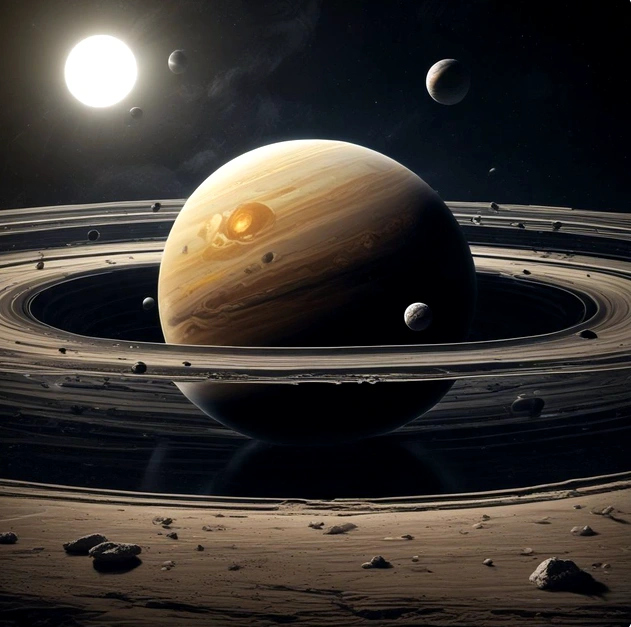
The Ongoing Battle for the Cosmic Crown Crowns change hands quickly in outer space, especially when modern ground-based observatories scan the outer solar system with advanced imaging algorithms. For years, Jupiter held the top spot as the solar system’s most crowded neighborhood. Today, that title belongs decisively to Saturn, which boasts an astounding official count…
-
What Is the Coldest Planet? Uranus, Neptune, and the Atmospheric Ice Paradox
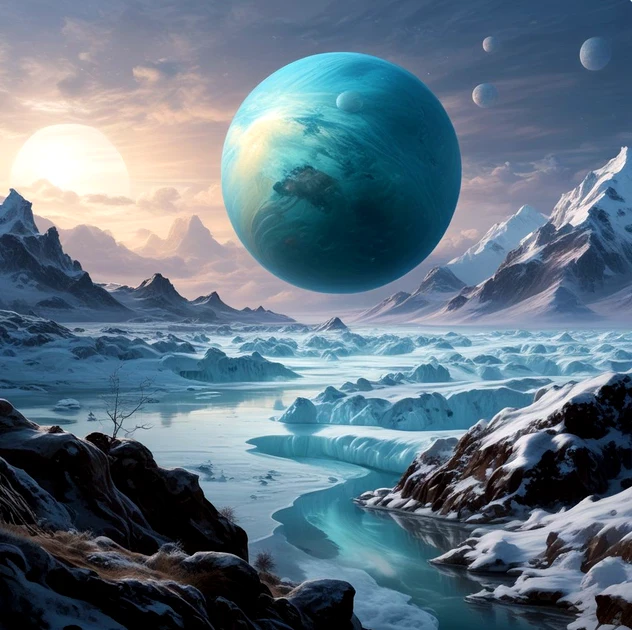
The Ice Giant Paradox When calculating planetary temperatures, logic suggests that the deeper an object sits in the outer frozen reaches of space, the colder its atmosphere should be. Under this rule, Neptune—which orbits 2.8 billion miles from the Sun—should comfortably take the title. However, the record for the coldest temperature ever measured on a…
-
What Is the Hottest Planet? Venus and Its Extreme Greenhouse Effect
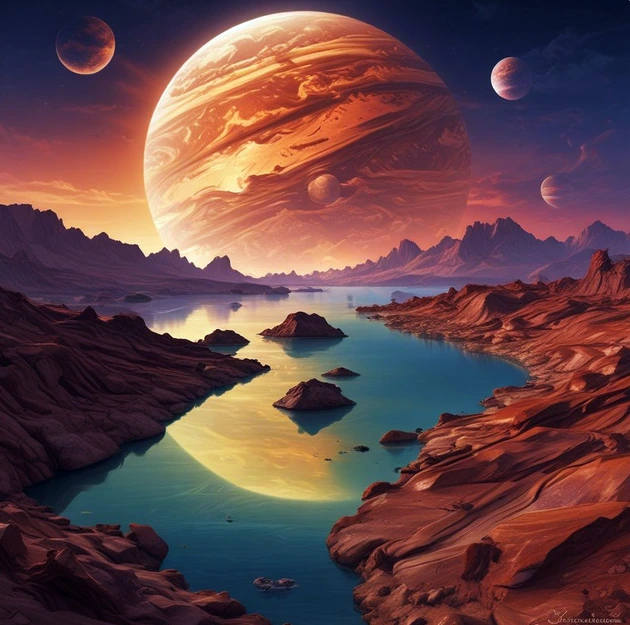
The Solar System’s Most Violent Atmospheric Furnace Logical intuition suggests that the planet closest to a raging fire should be the hottest. In our solar system, that logic fails completely. Although Mercury orbits closest to the Sun, Venus holds the undisputed title of the hottest planet in our solar system. Surface temperatures on Venus hover…
-
What Is a Dwarf Planet? The Borderline Worlds of Astronomy
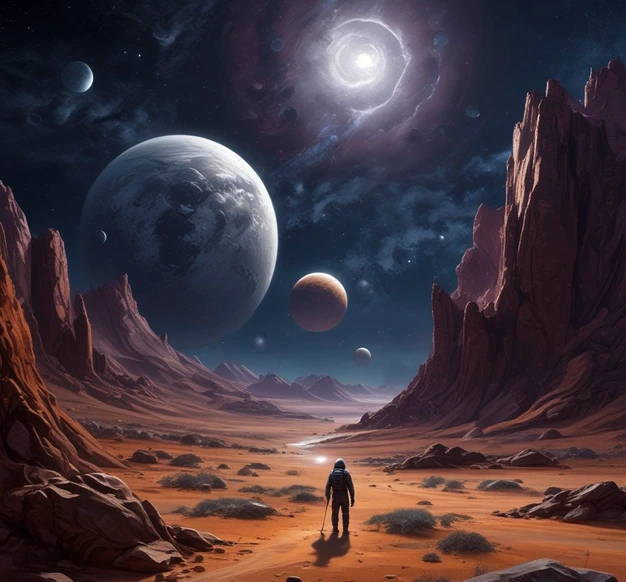
The Gray Zone Between Planets and Asteroids Space is crowded with billions of objects, ranging from microscopic dust grains to massive gas giants. For generations, astronomers divided non-star objects into simple categories: planets, moons, or asteroids. However, as telescopes grew more powerful, scientists realized that space contains a vast “middle class” of worlds—objects far too…
-
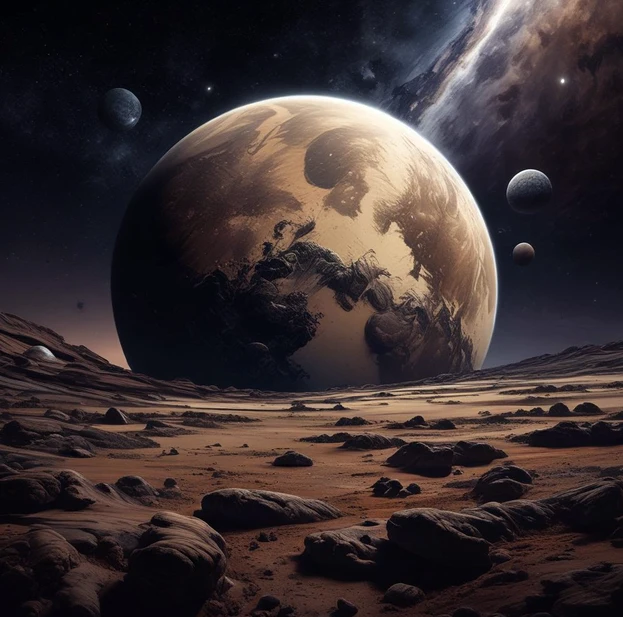
Why Is Pluto Not a Planet? The Discovery That Changed Astronomy
The Discovery That Rewrote the Solar System Map For decades, classroom walls across the globe displayed the same nine planets in neat sequence, terminating at a cold, mysterious ball of ice and rock discovered by Clyde Tombaugh in 1930: Pluto. That consensus shattered in August 2006. The International Astronomical Union (IAU) voted to officially strip…
-
Which Planet Is Closest to the Sun? (And the Distance Paradox)
The Inner Anchor of the Solar System By standard positional order, Mercury holds the title of the closest planet to the Sun. Moving along an inner track in the solar system, it circles our star at an average distance of roughly 36 million miles (58 million kilometers), or 0.39 Astronomical Units (AU). To put that…
-
What Is the Smallest Planet? Mercury’s Shrinking Core and Extreme Facts
Mercury: A Dense World Barely Larger Than Our Moon When Pluto was reclassified as a dwarf planet in 2006, Mercury officially inherited the title of the smallest major planet in our solar system. It is a world of extreme contradictions—barely larger than Earth’s Moon, yet ridiculously heavy for its size. To understand just how small…
-
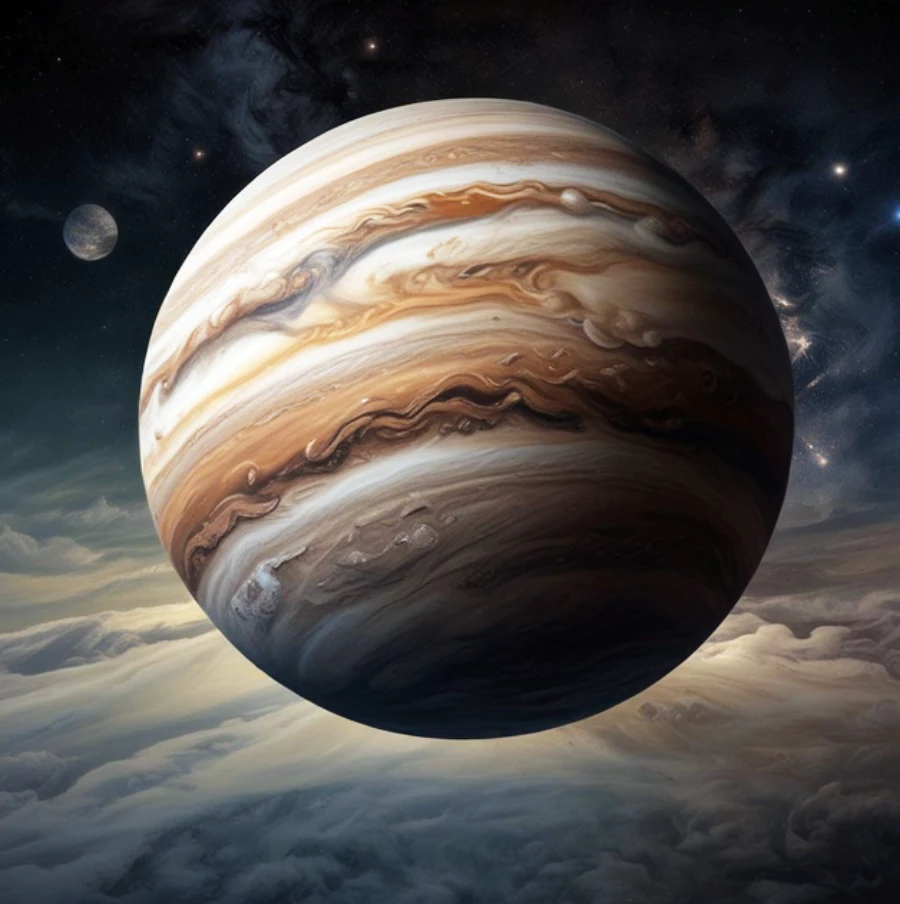
How Big Is Jupiter? Scale, Mass, and Extreme Facts
The Giant That Outweighs Everything Else Combined To grasp the scale of Jupiter, it helps to stop thinking of it as just a large planet and start viewing it as the gravitational anchor of our entire solar system. Jupiter is so colossal that it contains more than twice the combined mass of every other planet,…
-
How Many Planets Are in the Solar System? (And Why Pluto Lost Its Place)
Eight, Nine, or Hundreds? The Shifting Definition of a Planet Ask anyone who attended primary school before 2006, and they will confidently tell you there are nine planets. Today, the official count stands at eight. But this number isn’t fixed in stone by nature—it’s the result of how astronomers choose to classify celestial bodies. The…
-
Beyond Nine Planets: How the Solar System Actually Works
How Gravity and Distance Shape the Solar System (Beyond the Standard 8 Planets) 4If you’ve ever looked at a picture of the solar system, you’ve probably seen the same familiar setup: eight planets lined up around the Sun, each following its own orbit. That’s a useful way to get the basic idea, but the real…