Preserving African Sovereignty During the Scramble for Africa
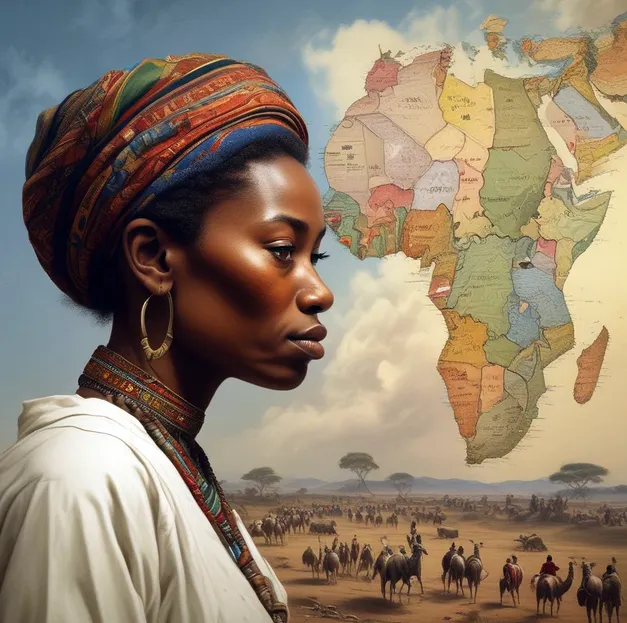
During the late 19th-century “Scramble for Africa,” European imperial powers partitioned and subjugated roughly 90% of the African continent. Amidst this rapid colonial expansion, Ethiopia stands as the definitive African nation that successfully defeated European invasion forces to remain uncolonized.
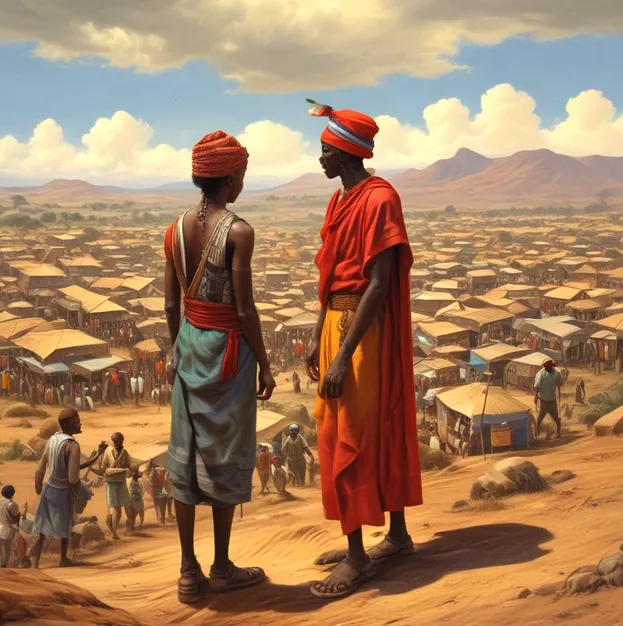
A second state, Liberia, is also widely cited alongside Ethiopia as an uncolonized nation, though its unique founding history presents a distinct political nuance.
| Nation | Geographic Region | Year Sovereign Status Secured | Sovereign Defense / Independence Mechanism | Historical Nuance / Debated Exception |
| Ethiopia | Horn of Africa (East) | 1896 (Battle of Adwa) | Military defeat of invading Italian forces at Adwa | Briefly occupied by Fascist Italy (1936–1941) |
| Liberia | Upper Guinea Coast (West) | 1847 (Republic Declaration) | Diplomatic protection & American settlement backing | Founded by the American Colonization Society |
Ethiopia: Indigenous Defense and the Battle of Adwa
Ethiopia (historically known to Europeans as Abyssinia) maintained unbroken indigenous sovereignty across millennia due to centralized imperial rule, mountain geography, and sophisticated diplomatic strategy.
When Italy attempted to claim Ethiopia as a protectorate under a contested interpretation of the 1889 Treaty of Wuchale, Emperor Menelik II mobilized a unified national defense force.
- The Battle of Adwa (1896): On March 1, 1896, Menelik II’s forces decisively crushed the invading Italian army at the Battle of Adwa. Italy was forced to sign the Treaty of Addis Ababa, formally recognizing Ethiopia’s absolute independence.
- The 1936–1941 Occupation: Under Benito Mussolini, Fascist Italy invaded Ethiopia again in 1935. While Italy occupied key urban hubs for five years during the buildup to World War II, this period is classified by historians as a temporary military occupation rather than an established colonial administration, as Ethiopian resistance forces maintained active guerilla campaigns until Emperor Haile Selassie was restored to power in 1941.
Liberia: The Settler Republic Buffer
Situated on the West African coast, Liberia preserved its independence from European colonial armies through a unique political relationship with the United States.
- ACS Settlement (1821–1847): Liberia was established in 1821 by the American Colonization Society (ACS), a private US organization that resettled free-born and formerly enslaved African Americans.
- Declaration of Republic Status (1847): Facing territorial pressure from neighboring British and French colonial claims, Liberia officially declared itself an independent sovereign republic on July 26, 1847. European powers recognized Liberian independence to avoid direct diplomatic conflict with the United States.
- Historical Debate: While Liberia successfully avoided European subjugation during the Scramble for Africa, some historians note that the Americo-Liberian settler minority held dominant political power over the indigenous local population for much of the 19th and 20th centuries.
Historical References & African Sovereignty Archives
- The Battle of Adwa: African Victory in the Age of Empire (Harvard University Press)
- UNESCO General History of Africa: Volume VII – Africa Under Colonial Domination
- Journal of African History: Diplomatic Isolation and Sovereignty Maintenance in Liberia and Ethiopia