
The Version of a Song You Know Was Probably Built, Not Just Sung
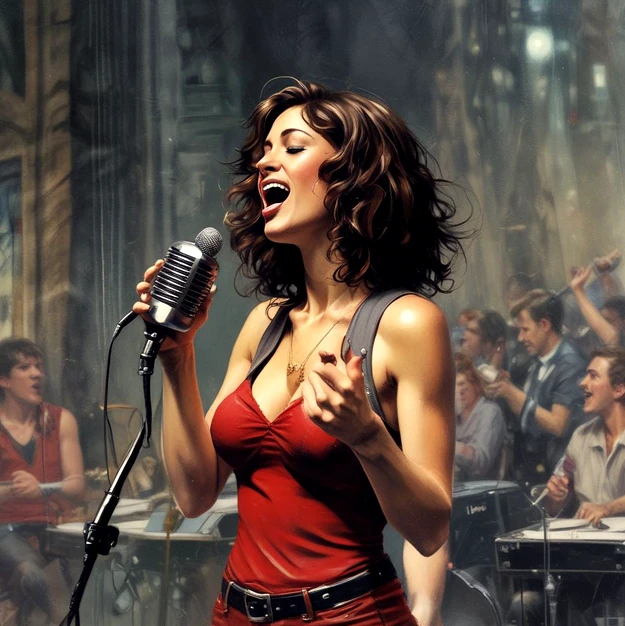
Put on a studio album and then watch the same artist perform the same song live, and it's common to notice something feels different, sometimes subtly, sometimes dramatically, even when the singer themselves hasn't fundamentally changed as a performer between the two versions. The gap isn't usually about talent or consistency. It's about the fact that a studio recording and a live performance are, technically speaking, two almost entirely different processes, only one of which involves capturing a single, continuous, unedited vocal performance in real time.
Studio recordings benefit from a layer of technical control that live performance simply cannot replicate under any circumstances. Vocalists in a studio setting typically record multiple takes of the same section, sometimes dozens, and producers and engineers select or combine the strongest portions from those different takes into a single, seamless final vocal track, a process called comping. A finished studio vocal might represent the single best phrase from one take stitched together with the best note from an entirely different take recorded minutes or even days apart, creating a version of the performance that, technically speaking, never actually happened in one continuous take at all, despite sounding completely unified in the final mix.
Pitch correction technology adds another significant layer of difference that live performance doesn't have access to in the same way. Software tools capable of subtly adjusting pitch after recording became widespread across the music industry starting in the late 1990s and have remained heavily used across most commercial music production since, correcting minor pitch inaccuracies that would otherwise be audible in a raw, unprocessed vocal take. Used subtly, this kind of correction is often nearly undetectable to casual listeners, simply smoothing over small imperfections rather than dramatically altering a performance, though some genres and artists use it far more heavily and audibly as a stylistic choice rather than a corrective tool.
Studio environments also offer vocalists a genuinely different physical and psychological context for performing compared to a live stage. Recording typically happens in an acoustically controlled, isolated space, without the physical demands of simultaneously performing choreography, playing an instrument, or projecting a live vocal loud enough to be heard clearly over a full band and sizable venue, all factors that can meaningfully affect breath control, vocal placement, and overall stamina in ways that simply don't apply during a seated, isolated studio session focused purely on capturing the cleanest possible vocal take.
Live sound reinforcement introduces its own set of complicating variables entirely separate from the vocalist's actual performance. Venue acoustics vary enormously depending on room size, materials, and audience density, all of which affect how a vocal actually sounds to listeners in the room, independent of anything the singer is doing correctly or incorrectly on stage. Sound engineers mixing a live performance in real time have to make continuous, immediate adjustments to vocal levels, effects, and overall balance against a full live band, working without the luxury of the extended post-production time and multiple takes available during studio recording, meaning live vocal mixes are inherently more variable and less precisely controlled than a finished studio track that's been carefully refined over potentially weeks or months.
Physical vocal stamina plays a substantial role too, particularly across a full concert set or extended touring schedule. Singing a demanding vocal part night after night across a touring schedule, sometimes performing the same songs dozens or hundreds of times over an extended period, places genuine physical strain on vocal cords that a single, well-rested studio session simply doesn't involve in the same cumulative way. Many artists deliberately adjust melodic phrasing, key, or vocal approach during live performances specifically to protect their voice across extended touring, sometimes lowering a song's original key or simplifying particularly demanding vocal runs, changes that can make a live version sound noticeably different from a studio recording even when the artist's underlying vocal ability hasn't actually diminished at all.
Some artists also approach live performance with a genuinely different interpretive philosophy than the version captured for a studio album, deliberately reworking arrangements, tempo, or vocal delivery to keep a frequently performed song feeling fresh for both the artist and audiences who may have already heard the studio version countless times. This kind of intentional reinterpretation isn't really about correcting for technical limitations at all, it reflects a legitimate artistic choice, treating a song as something that can evolve and be reimagined across different performance contexts rather than existing as a single, fixed, permanently "correct" version defined entirely by its original studio recording.
Taken together, these layered differences explain why comparing a studio recording directly against a live performance often isn't really a fair, apples-to-apples comparison of vocal talent at all. One version represents a carefully assembled, technically polished product built from multiple takes and extensive post-production refinement, while the other represents a single, unedited, real-time performance happening under considerably more demanding physical and acoustic conditions, with genuine artistic reinterpretation frequently layered on top. Both can showcase real skill, they're simply answering two fundamentally different creative and technical questions about what a given song is actually supposed to sound like.