
The TV Trick That Hooks You Before the Theme Song Even Plays
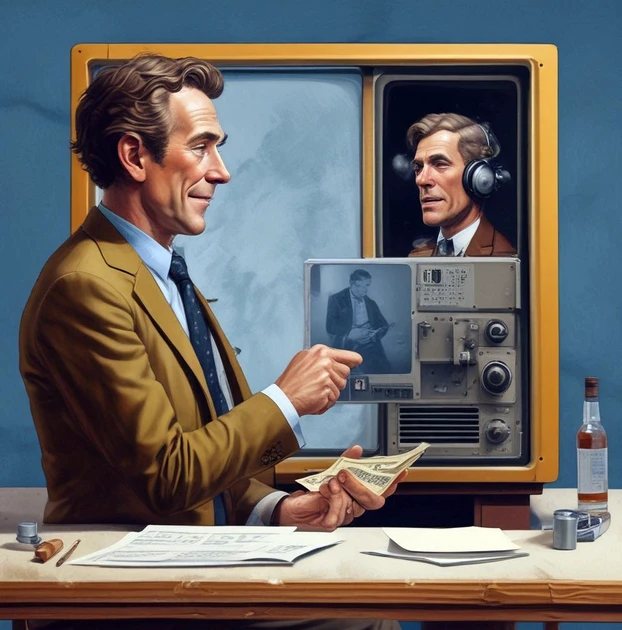
Turn on almost any modern television drama or comedy and there's a decent chance the episode starts doing something before the title sequence has even played, a scene, sometimes tense, sometimes funny, sometimes seemingly unrelated to the main plot entirely, unfolding with no theme music, no title card, no formal introduction of any kind. This structural choice is called a cold open, and while it might feel like a stylistic flourish, it's actually a deliberate storytelling and business tool with a very specific job to do.
The term refers to any content that plays before a show's opening credits or title sequence, essentially starting the episode "cold," without the usual framing devices audiences expect to signal that a show has officially begun. Rather than opening directly with a title card and theme song, a cold open drops viewers straight into a scene first, then rolls the traditional opening credits afterward, once the audience has already been pulled into whatever's happening on screen.
The underlying strategic purpose behind cold opens is almost entirely about audience retention, capturing viewer attention immediately before there's any risk of someone changing the channel, particularly relevant in the era of traditional broadcast television, where competing for a viewer's attention against numerous other channel options happened in real time, with no ability to pause or rewind readily available. A strong, engaging cold open gives a show roughly a minute or two to hook a viewer's interest before the theme song plays, a critical window during traditional linear television viewing when attention was genuinely fragile and viewers had every opportunity to simply flip to something else instead.
Different genres and shows use cold opens in distinctly different ways depending on what kind of hook works best for their specific format. Comedy shows frequently use cold opens purely for a quick joke or gag, a short, self-contained bit of humor with little or no connection to the episode's main plot, existing purely to establish tone and get an early laugh before the story proper begins. Dramas, particularly crime procedurals and mystery-driven shows, often use cold opens to establish the central conflict or crime the episode will revolve around, sometimes showing a crime being committed or discovered, immediately establishing stakes and central mystery before any of the show's regular characters have even appeared on screen.
Some shows use cold opens specifically to jump forward in time, showing viewers a dramatic or intriguing moment from later in the episode before rewinding to show how the story actually got there, a structural technique sometimes described as opening with a flash-forward specifically to create immediate tension or curiosity about how events eventually arrive at that particular moment. This approach essentially promises viewers a payoff early, then makes them wait through the full episode to understand the full context behind whatever brief, dramatic glimpse they were shown at the very start.
The technique has interesting historical roots tied specifically to commercial broadcast structure. Because traditional television programming is built around scheduled commercial breaks, cold opens developed partly as a way to front-load engagement before a network's first ad break interrupted the show, theoretically making viewers less likely to change the channel during that initial commercial interruption if they were already emotionally invested in whatever the cold open had set up moments earlier. This business-driven origin explains part of why cold opens became such a standard structural element across broadcast television specifically, distinct from how streaming platforms, without traditional commercial breaks interrupting the viewing experience, sometimes approach episode openings somewhat differently.
Despite streaming's different structural pressures, cold opens have remained a popular storytelling device well beyond their original broadcast-era commercial justification, largely because the technique simply works well as narrative craft independent of advertising considerations. A well-executed cold open can efficiently establish tone, introduce a central conflict, deliver a memorable joke, or create immediate narrative tension, all functions valuable to storytelling regardless of whether a commercial break happens to be waiting on the other side of it.
Some of television's most memorable, frequently discussed scenes across different genres and eras have actually been cold opens specifically, moments audiences remember distinctly as existing outside a show's normal episodic structure, unattached to the formal opening title sequence that usually signals a story has begun. That distinct, slightly separate quality is really part of what makes cold opens effective as a device in the first place, audiences implicitly understand they're watching something positioned deliberately outside a show's normal structural rhythm, which tends to make whatever happens during that opening scene feel just a little more urgent, unpredictable, or noteworthy than content unfolding after the familiar, expected framing of the title sequence has already played.