
The Spice People Once Used to Pay Rent, Ransoms, and Taxes
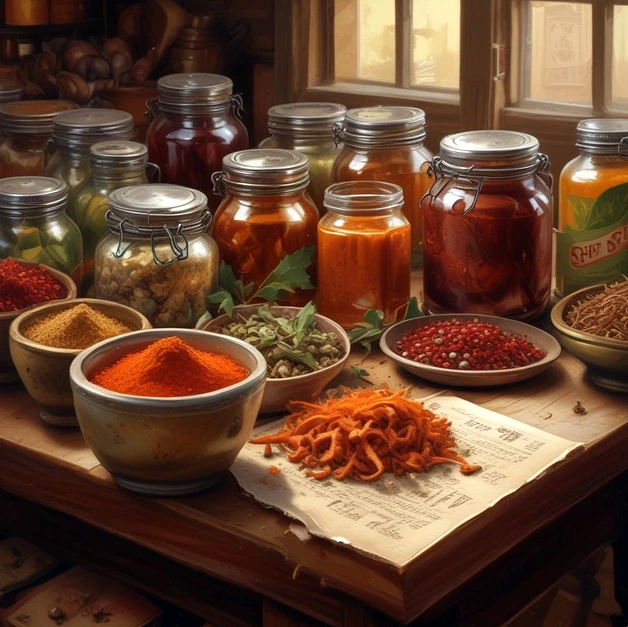
Which spice was once valuable enough in Europe to be used almost like currency?
There was a period in European history when a small sack of dried plant material could genuinely be worth more, ounce for ounce, than gold. That material was black pepper, and for centuries it wasn't just a seasoning sitting quietly on the dinner table, it functioned as something closer to a form of currency, valuable enough to pay debts, settle rents, fund dowries, and even negotiate ransoms.
Pepper's extraordinary value came almost entirely from geography and logistics. The plant grew primarily along the Malabar Coast of southwestern India, thousands of miles from European markets, and reaching it required either an extraordinarily long, dangerous overland trade route through the Middle East and Central Asia, or, once European explorers eventually figured it out, a sea voyage around the southern tip of Africa that took months and carried genuine risk of shipwreck, disease, or piracy along the way. Every hand the pepper passed through before reaching a European kitchen added cost, markup, and risk, until a spice that grew relatively abundantly in its native region became almost absurdly expensive by the time it reached a market stall in London or Venice.
This scarcity, layered on top of enormous demand, is exactly what allowed pepper to function economically almost like a currency substitute in certain contexts. Historical records reference pepper being used to pay rent, particularly in medieval England, where the phrase "peppercorn rent" actually originates from real historical practice rather than existing purely as the symbolic legal term it's mostly known as today. Landlords in some cases genuinely accepted small quantities of peppercorns as legitimate rental payment, precisely because the spice held real, transferable value in its own right, similar to how coinage functions as a trusted medium of exchange.
Merchants and traders sometimes used pepper interchangeably with precious metals in certain transactions specifically because it was compact, didn't spoil quickly under proper storage, and carried widely recognized value across different regions and marketplaces, all properties that make something practical to use as a form of currency. There are historical accounts describing pepper being used to help fund dowries, settle certain taxes, and even, according to some historical narratives, factor into ransom negotiations during specific sieges, where attacking forces reportedly demanded payment partly in pepper alongside gold and silver, treating the spice as a genuinely comparable form of tribute.
The economic weight of pepper eventually reshaped global history far beyond individual transactions. The overwhelming profitability of the spice trade was a major driving force behind the Age of Exploration, motivating European powers to fund increasingly ambitious and dangerous sea voyages specifically aimed at cutting out Middle Eastern and Venetian middlemen and establishing direct trade routes to Asian spice-producing regions. Portuguese explorer Vasco da Gama's successful sea route to India in the late 15th century was driven substantially by the pursuit of direct access to pepper and other spices, and the resulting trade dominance helped fuel Portugal's rise as a major colonial and economic power for generations afterward.
Entire trading empires and companies were later built around controlling and monopolizing spice routes, most notably the Dutch East India Company and the British East India Company, both of which grew into extraordinarily powerful commercial and political entities largely on the back of spice trade profits, pepper prominently among them. The pursuit of pepper and other valuable spices didn't just move goods around the world, it reshaped colonial expansion, naval technology, and international trade networks in ways that still echo through global economic structures today.
Pepper's value eventually declined as trade routes expanded, supply increased, and cultivation spread beyond its original native regions, gradually transforming it from a luxury commodity worth its weight in precious metal into the inexpensive, universally available pantry staple it is today. It's a strange thing to reconcile, standing in a modern grocery store next to a shelf of pepper grinders costing a few dollars each, knowing that the same plant once carried enough economic weight to help launch the age of global maritime exploration and quietly settle rent disputes in medieval England.