
That Hiss Is the Sound of a Chemical Reaction Losing a Fight It Was Always Going to Lose
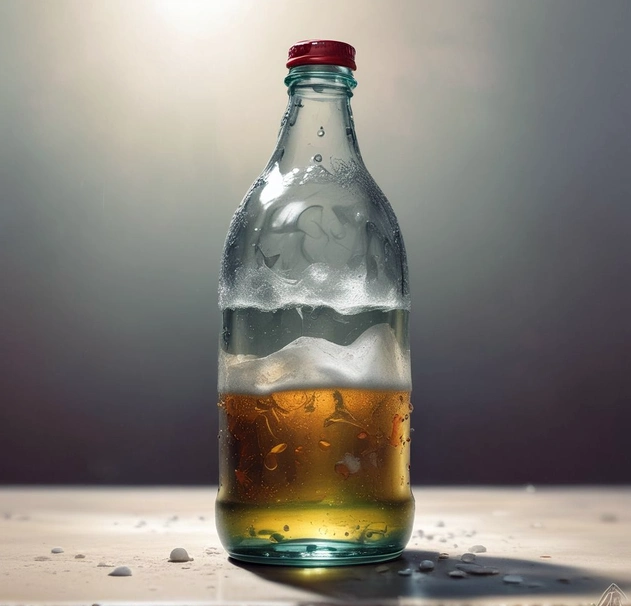
A Bottle Under More Pressure Than It Looks
A sealed bottle of soda isn't just holding liquid, it's holding liquid under deliberately elevated pressure, considerably higher than the normal atmospheric pressure surrounding it once the cap comes off. That pressure difference is the entire source of the hiss, and understanding why it exists at all starts with how carbonated beverages get their fizz in the first place.
Carbonation Is Forced, Not Natural
Soda gets its characteristic bubbles from dissolved carbon dioxide gas, and dissolving that much gas into a liquid doesn't happen on its own under normal conditions, it requires deliberately forcing carbon dioxide into the liquid under high pressure during the manufacturing process. Gas dissolves more readily into liquid under higher pressure, so bottling facilities inject carbon dioxide into soda while it's under significant pressure, then seal the container immediately afterward, trapping both the dissolved gas and that elevated pressure inside the sealed bottle before it ever reaches a store shelf.
The Moment the Seal Breaks
As long as the bottle stays sealed, that internal pressure has nowhere to go, held in place entirely by the cap acting as a physical barrier against the lower atmospheric pressure outside. The instant that seal is broken, twisting a cap, popping a can tab, the trapped high-pressure gas inside the bottle suddenly has an escape route, and it rushes outward rapidly toward the surrounding lower-pressure air, equalizing the pressure difference as quickly as physics allows. That rapid rush of escaping gas moving through the narrow opening of a bottle or can is exactly what produces the audible hiss, essentially the sound of compressed gas forcing its way through a tight space at speed.
Why the Sound Has That Specific Sharp Quality
The hissing sound itself comes from turbulence, as the escaping carbon dioxide moves quickly through the narrow neck of a bottle or the small opening of a can, it creates rapid, chaotic airflow, and that turbulent movement of gas molecules colliding and vibrating against each other and against the container's opening produces sound waves within a frequency range human ears perceive as a hiss. The sound typically fades quickly, within a second or two, because the pressure difference driving that turbulent escape resolves almost immediately once enough gas has left the container to equalize internal and external pressure.
What Happens After the Hiss Fades
The hiss marks the fastest, most dramatic phase of gas escaping, but it doesn't mean all the dissolved carbon dioxide has left the liquid, most of it remains dissolved within the soda itself immediately after opening. That remaining dissolved gas continues escaping gradually afterward, though, which is exactly why an opened soda continues producing visible bubbles rising to the surface for a considerable time after the initial hiss has completely faded, and why soda left open long enough eventually goes flat entirely, having slowly lost enough dissolved carbon dioxide that it no longer produces meaningful carbonation or fizz.
Why Shaking a Bottle Changes Everything
This same underlying pressure dynamic explains why shaking a sealed carbonated beverage before opening it produces such a dramatically different, often messier result. Shaking disturbs the liquid enough to release large numbers of tiny gas bubbles from solution before the bottle is even opened, and those bubbles tend to collect around any microscopic imperfections or nucleation points inside the container, effectively creating countless small pressure pockets throughout the liquid rather than gas remaining calmly dissolved. When the bottle is then opened, all that already-released gas rushes toward the opening simultaneously, dragging liquid along with it in a rapid, foamy eruption, rather than the comparatively controlled, gradual hiss and fizz produced by opening an unshaken bottle where dissolved gas hasn't yet been forcibly disturbed out of solution.
Temperature Plays a Role Too
Temperature significantly affects how readily carbon dioxide stays dissolved within a carbonated beverage, colder liquid holds dissolved gas more effectively than warmer liquid does, which is part of why a cold soda tends to produce a noticeably calmer, quieter hiss upon opening compared to a warm soda, where gas is already less stable within the liquid and more prone to escaping rapidly and dramatically the moment pressure is released. This is also why warm carbonated beverages generally go flat considerably faster once opened, the warmer temperature simply makes it easier for dissolved carbon dioxide to escape the liquid entirely over time, regardless of how carefully the container is resealed afterward.
A Small, Familiar Sound With a Precise Cause
That quick, sharp hiss accompanying an opened soda bottle isn't some incidental side effect of opening a container, it's a direct, physically inevitable consequence of deliberately trapping pressurized gas inside sealed packaging specifically to give the beverage its fizz in the first place. The sound represents a genuinely fast physical event, a sudden pressure imbalance resolving itself in real time, condensed into roughly a second of turbulent, escaping gas rushing toward equilibrium the moment a seal finally gives way.