
That "Fresh Cut Grass" Smell Is Actually a Plant Screaming for Help
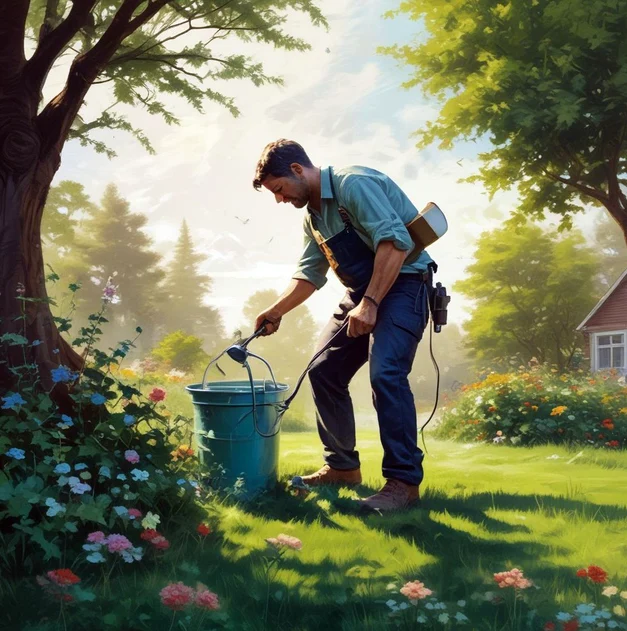
Why does freshly cut grass have such a distinctive smell?
There's something almost universally comforting about the smell of freshly cut grass — it shows up in candles, air fresheners, even perfume descriptions trying to evoke summer afternoons and backyard barbecues. What most people don't realize while breathing it in is that they're essentially smelling a plant's emergency response system in real time. That smell isn't grass being pleasant. It's grass being injured.
When a lawnmower blade slices through a blade of grass, it physically ruptures plant cells, and that damage triggers an immediate chemical reaction. Grass, like most plants, contains fatty acids stored within its cell membranes. The moment those cells are torn open, enzymes that were previously kept separate from those fatty acids suddenly come into contact with them, and this collision sets off a rapid chain reaction that produces a group of chemical compounds known as green leaf volatiles.
These compounds are released into the air almost instantly, which is why the smell of a freshly mowed lawn hits so quickly and so strongly compared to most other plant scents, which tend to build up more gradually. The specific blend of chemicals produced by grass, primarily certain aldehydes and alcohols, is what human noses have collectively learned to associate with the smell of cut grass, even though almost nobody consciously thinks about the chemistry happening underfoot while they're mowing.
Here's the part that reframes the whole experience: this reaction isn't accidental or purely mechanical, it's a defensive biological response. Green leaf volatiles function partly as a distress signal, released specifically in response to physical damage, whether that damage comes from a lawnmower blade, an animal grazing, or insects chewing through leaf tissue. Some research suggests these compounds can actually help protect the plant by having mild antimicrobial properties, potentially reducing the risk of infection at the wound site, similar in concept to how a scab forms to protect damaged human skin from bacteria.
There's an even stranger layer to this story involving plant-to-plant communication. Studies on green leaf volatiles suggest that when one plant releases these compounds after being damaged, nearby plants can sometimes detect the chemical signal and respond by ramping up their own defensive processes preemptively, essentially treating a neighboring plant's injury as an early warning system. It's not communication in any conscious sense, but chemically, it behaves a lot like one plant quietly telling its neighbors that something dangerous, whether an insect or lawnmower, is currently moving through the area.
Grass isn't unique in producing this kind of response either — most plants release some version of green leaf volatiles when damaged, which is part of why freshly cut herbs, torn leaves, or snapped branches often carry their own distinct, sharp scent the moment they're broken. Grass just happens to be the plant humans interact with, and damage, most frequently and consistently, given how often lawns get mowed throughout the growing season, which is exactly why that particular scent became so deeply associated with a specific time of year rather than being recognized as a general plant stress response.
Human beings, for what it's worth, seem to have developed a genuinely positive emotional association with this smell despite its origin as a plant's chemical alarm signal. Some researchers have speculated that this reaction might be rooted in evolutionary history, since green leaf volatiles have historically been associated with fresh vegetation, healthy ecosystems, and the kind of environment early humans would have recognized as favorable for survival, though this remains more of a working theory than settled science.
So the next time that unmistakable scent drifts across a freshly mowed yard, it's worth remembering what's actually happening beneath the surface. That smell isn't the plant's way of thanking anyone for a tidy lawn. It's the smell of injury, a chemical cry of distress released in the middle of what looks, from a human perspective, like a perfectly ordinary Saturday afternoon chore.